


What is condensed milk, and why does it deserve a permanent spot on your pantry checklist?
This sweet dairy product has a way of making everything from a cup of coffee to a fancy dessert taste a little bit more special.
Read on to find out exactly what it is and how it differs from evaporated milk.
Jump to:
What Exactly Is Condensed Milk?

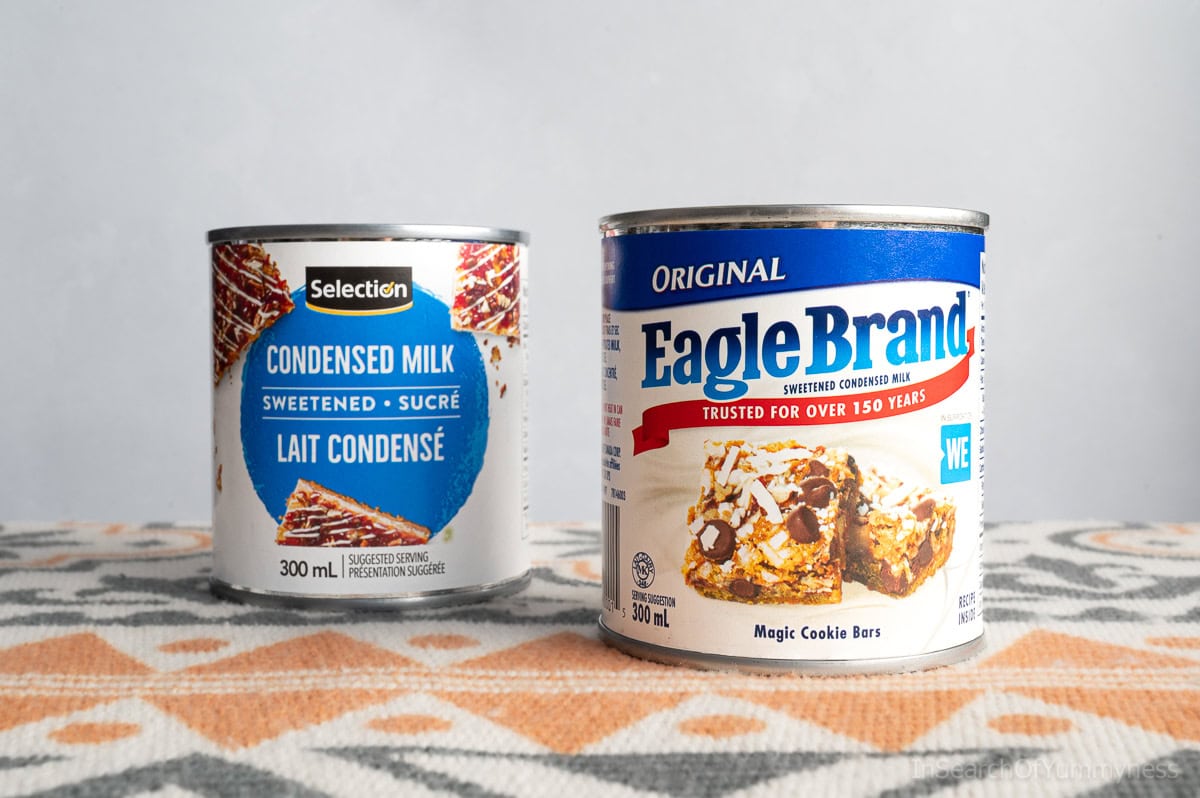
Condensed milk, also known as sweetened condensed milk, is cow's milk that has had about 60% of its water content removed through a heating process, with sugar added to create that signature sweet, thick consistency.
The result is a concentrated milk product that's roughly five times more concentrated than regular milk, with 40-45% sugar.
What it looks like: Think of the consistency of honey or molasses; thick, syrupy, and slow-pouring. It has a beautiful pale ivory colour with just a hint of golden undertones.
How it tastes: Intensely sweet and creamy, with a rich milk flavour that's been amplified by the concentration process. It's significantly sweeter than regular milk, even if you were to add sugar to fresh milk.
Why the sugar matters: The sugar isn't just there for sweetness. It acts as a natural preservative, creating an environment where harmful bacteria can't grow.
This is why unopened cans of condensed milk can sit happily in your pantry for quite some time without refrigeration.
Condensed Milk vs. Evaporated Milk: What's the Difference?
This is probably the most common question about condensed milk, and for good reason!
They sit right next to each other in the baking aisle, both are canned milk products, and both have had water removed.
However, they are completely different ingredients.
The Key Differences:
Condensed milk:
- Has sugar added (lots of it!)
- Thick and syrupy consistency
- Sweet, rich taste
- Perfect for desserts and sweet drinks
Evaporated milk:
- No sugar added
- Pourable and runny
- Slightly caramelized but not sweet taste
- Great for cooking, baking, and savoury dishes
Can You Substitute One for the Other?
The short answer is no, not really.
The sugar content makes them behave differently in recipes.
Using evaporated milk in place of condensed milk will result in a dessert that lacks sweetness and structure.
Conversely, using condensed milk in place of evaporated milk can make your dish overly sweet and potentially alter the texture.
Make It Yourself

Did you know you can make condensed milk at home? It takes about 45 minutes, but it's a handy option for when you can't get to a store.
How to Use Condensed Milk
I grew up eating a spoonful of condensed milk spread onto hot toast (you have to try that!), but there are so many other ways to enjoy it.

Desserts
This is where condensed milk truly shines. It's the star ingredient in key lime pie, providing both sweetness and that perfect creamy texture.
It makes tres leches cake rich and moist, creates silky smooth fudge, and is the secret to easy no-churn ice cream.
I use condensed milk as the sweetener in my coconut ice cream recipe, too.
And of course, I can't forget to mention that it's a key ingredient in magic cookie bars (also known as Hello Dolly bars).
My pumpkin magic cookie bars get their distinctive caramelized flavour from condensed milk.
Drinks
If you've ever had Vietnamese iced coffee, you've experienced the magic of condensed milk in beverages.
I also enjoy using it to make a Vietnamese avocado smoothie, where it balances the creamy avocado with its sweet, milky flavour.
It's fantastic in Thai tea, hot chocolate, eggless eggnog, or even just stirred into regular coffee for an instant treat.
Quick Kitchen Tips:
- For coffee: Start with 1-2 teaspoons and adjust to your taste. A little goes a long way!
- For desserts: Sweetened condensed milk often replaces both milk and sugar in recipes, so don't add additional sweetener unless the recipe specifically calls for it.
- For easy fruit dip: Mix condensed milk with cream cheese for an instant party appetizer that pairs beautifully with fresh berries.
How to Store Condensed Milk
When stored correctly, condensed milk has an impressive shelf life. Here's what you need to know.
Before Opening:
Store unopened cans in a cool, dry pantry away from direct heat or sunlight. Most brands have a shelf life of about 24 months.
Make sure to avoid any cans that are dented, swollen, or damaged - these should be discarded for safety.
After Opening:
Transfer unused condensed milk to an airtight container and store in the refrigerator for up to 4 days.
Don't worry if it gets thicker in the refrigerator; that's normal. If it becomes too thick to pour easily, warm it briefly in the microwave (10-15 seconds should do it) to return it to a pourable consistency.
Frequently Asked Questions
You can usually find canned condensed milk in the baking aisle of most grocery stores.
About 4 days in the refrigerator when stored in an airtight container.
You can, but it will change the texture of the milk. Additionally, it may not freeze solid due to its high sugar content. Be sure to give it a good stir after defrosting, and never re-freeze defrosted milk.
No, condensed milk has a significant amount of added sugar and is much thicker and sweeter, while evaporated milk has no added sugar and pours easily.
From a simple spoonful over toast to the star ingredient in a showstopping dessert, condensed milk more than earns its place in the pantry.
I hope this guide gave you everything you need to make the most of this sweet, versatile ingredient.
About Shareba
Shareba Abdul is a recipe developer and food photographer with a Culinary Arts certificate from George Brown College and 15+ years of experience creating and testing recipes for home cooks. She is also a member of the International Association for Culinary Professionals and tests every recipe on this website in her own kitchen. Learn more →




Leave a Comment: