


Tahini can be used for more than just making hummus!
This creamy paste adds a rich, nutty flavour to both savoury dishes and desserts.
Read on to learn about tahini, including how to choose a good brand, how to use it, and how to store it properly.
Jump to:
What is Tahini Made Of?
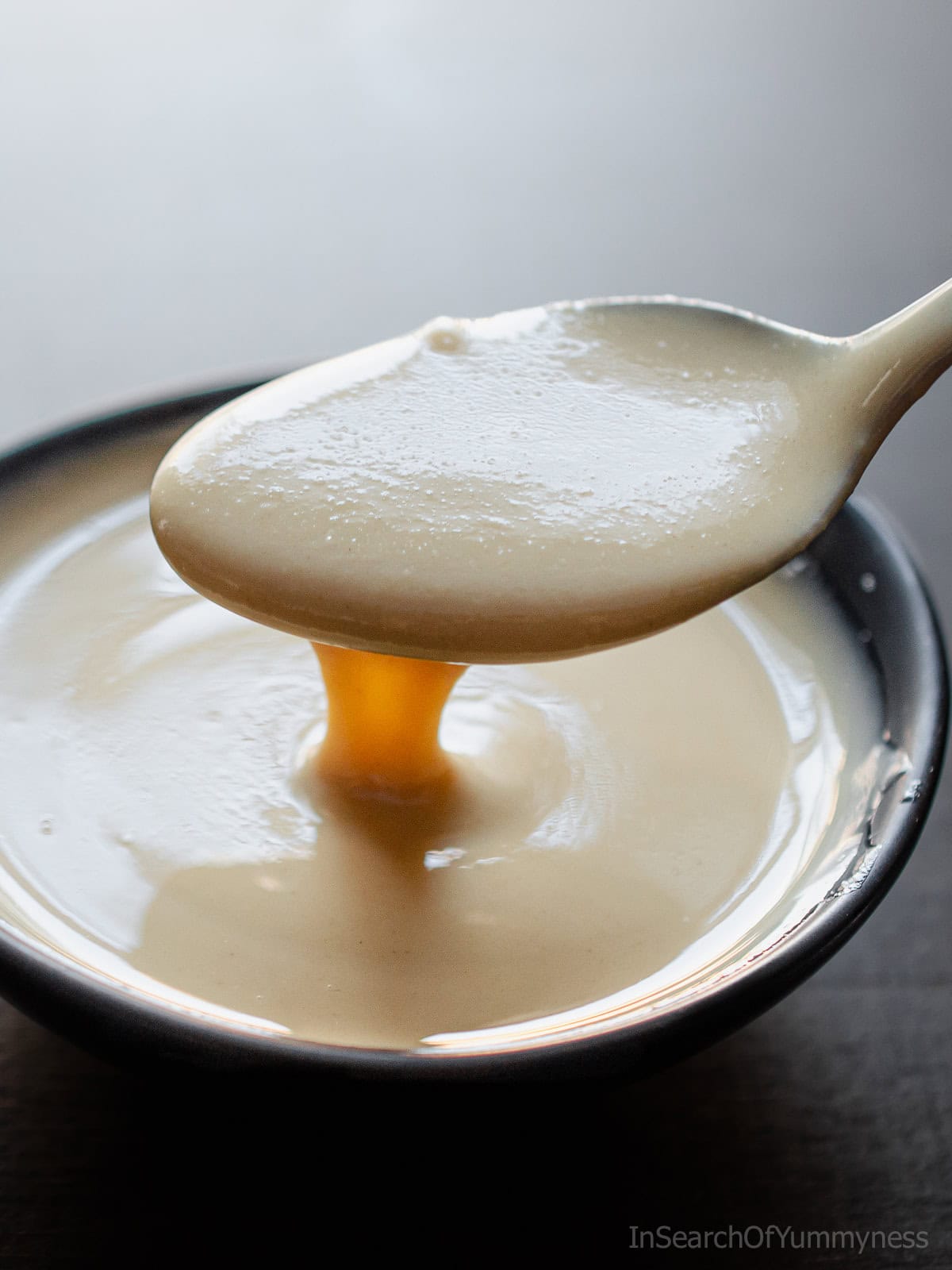
Tahini (also called tahina) is a thick, creamy paste made from ground hulled sesame seeds.
It has a nutty flavour that is similar to peanut butter, but with a thinner consistency than most nut butters.
This ingredient is commonly used in Middle Eastern and Mediterranean cooking, especially in dips and sauces.
Which Tahini Should I Buy?
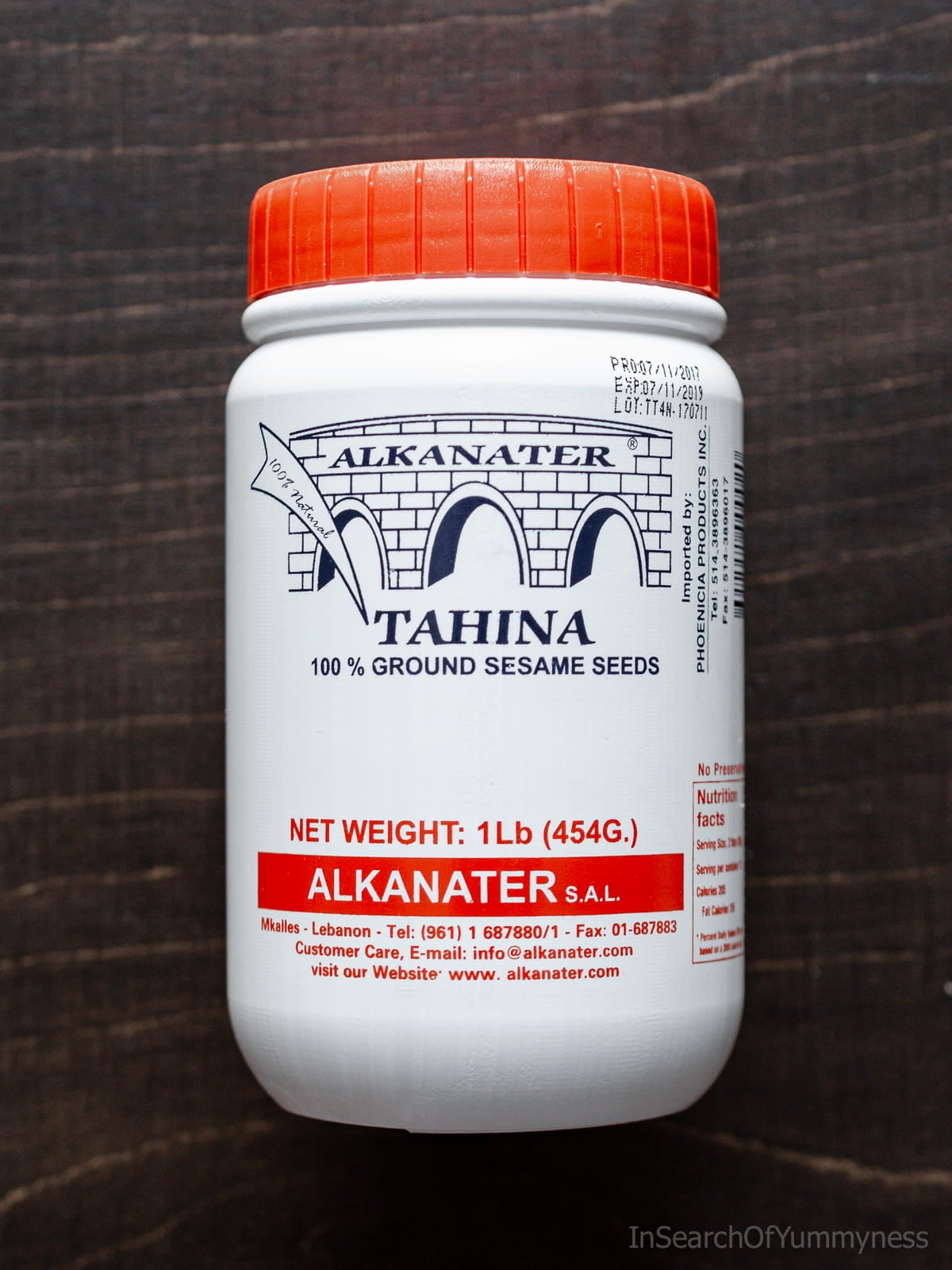
Good quality tahini is made with 100% sesame seeds. There should be no added oils or preservatives.
I prefer tahini made from roasted white sesame seeds. It tends to be smoother and more flavourful than raw or unhulled versions.
Look for products made in the Middle East, particularly Lebanon or Jordan, where traditional methods often yield the best flavour and texture. These are usually smooth and well-balanced.
Tahini should have a pleasant taste right out of the bottle. If your tahini is very bitter or chalky in texture, it's time to try another brand.
What Can I Make with it?
Tahini is best known as an ingredient in hummus and baba ghanoush, but it's actually incredibly versatile.
Here are some ways you can experiment with tahini at home:
Make a Tahini Sauce
Chef Yotam Ottolenghi makes a tahini sauce that can be used in several savoury dishes.
To make it, start by mixing the tahini paste with lemon juice, salt and crushed garlic. Then, slowly whisk in cold water until the sauce becomes smooth and pourable.
Don't panic if the sauce looks too thick or seized up at first. This is normal. The texture will thin out as you add more water.
This nutty, creamy sauce is delicious drizzled over:
- Grilled chicken, lamb or beef
- Roasted or steamed vegetables
- Falafel or kebabs
- Fried or baked fish
- Grain bowls or salads
Store leftover sauce in an airtight container in the refrigerator. It will thicken as it sits, but you can easily thin it out with a splash of water before serving.
Make Hummus at Home
Homemade hummus is incredibly easy to make, and much tastier than what you'll find at the grocery store.
Once you learn how to make hummus, you'll always have a go-to snack that you can put together in minutes.
Add it to Baked Goods and Desserts
This sesame seed paste isn't just for savoury recipes; it adds depth and richness to sweets too.
- It's the base for Middle Eastern halva, a crumbly sesame candy.
- You can also use it in recipes like chocolate tahini brownies, tahini cookies, or swirled into banana bread.
- Try using tahini in place of peanut butter in baked goods for a peanut-free twist. (Note: Be sure to check each brand of tahini for potential cross-contamination with peanuts if you have a food allergy.)
Where to Buy It
Tahini is available at most major grocery stores, usually in the international aisle or with the nut butters.
For the best flavour and texture, check your local Middle Eastern grocery store. The staff can often recommend the best brand for whatever dish you're making.
You can also find options online. Just make sure to read reviews and ingredient labels before buying.
How to Store It
Always check the storage instructions on the label, as they may vary by brand.
In general:
- Unopened tahini can be kept in a cool, dark place like a pantry.
- Once opened, store in a cool, dry place (not the refrigerator).
Tahini tends to separate over time. Stir it well before each use to reincorporate the oil into the paste.
Frequently Asked Questions
Yes, you can substitute tahini for peanut butter in many recipes, especially in sauces, dressings, and baked goods. Just keep in mind that tahini has a thinner consistency and a more earthy, slightly bitter flavour compared to the sweetness of peanut butter.
A little bitterness is normal, but overly bitter tahini can be a sign of a poor-quality product or spoilage. Look for tahini that's smooth, nutty, and balanced in flavour. If it smells rancid or tastes harsh, it's best to throw it out.
Usually, no, but it may depend on the brand. Most tahini bottles say to store in a cool, dry place and not in the refrigerator. It's best to follow the instructions on the packaging.

Leave a Comment: